The Telop process - Align, Execute, Validate, Deliver

01 Align
02 Execute
03 Validate
04 Deliver
How a Telop project runs

Four stages.
We run every project through all four.

Same four stages whether you order one product or four hundred. Each one ends in something you can hold: a specification, a sample, an inspection record, a shipment.

01

Align

We read your requirement the way a factory will read it, before anyone quotes it. We go through the drawings and the finish schedule from a production point of view, list the gaps, propose a cheaper route where the drawn answer is expensive to make, and rewrite the set in language a factory can price.

  • We check every part that has to fit something else for a stated tolerance
  • We resolve every finish to a code, a sample or a Pantone chip
  • A written substitution rule: what a factory may swap, and what needs your approval
  • You get the gap list back before any supplier sees the file
What you have at the end of it

A reviewed requirement, a written gap list, and a specification tight enough that a factory has to ask before it changes anything.
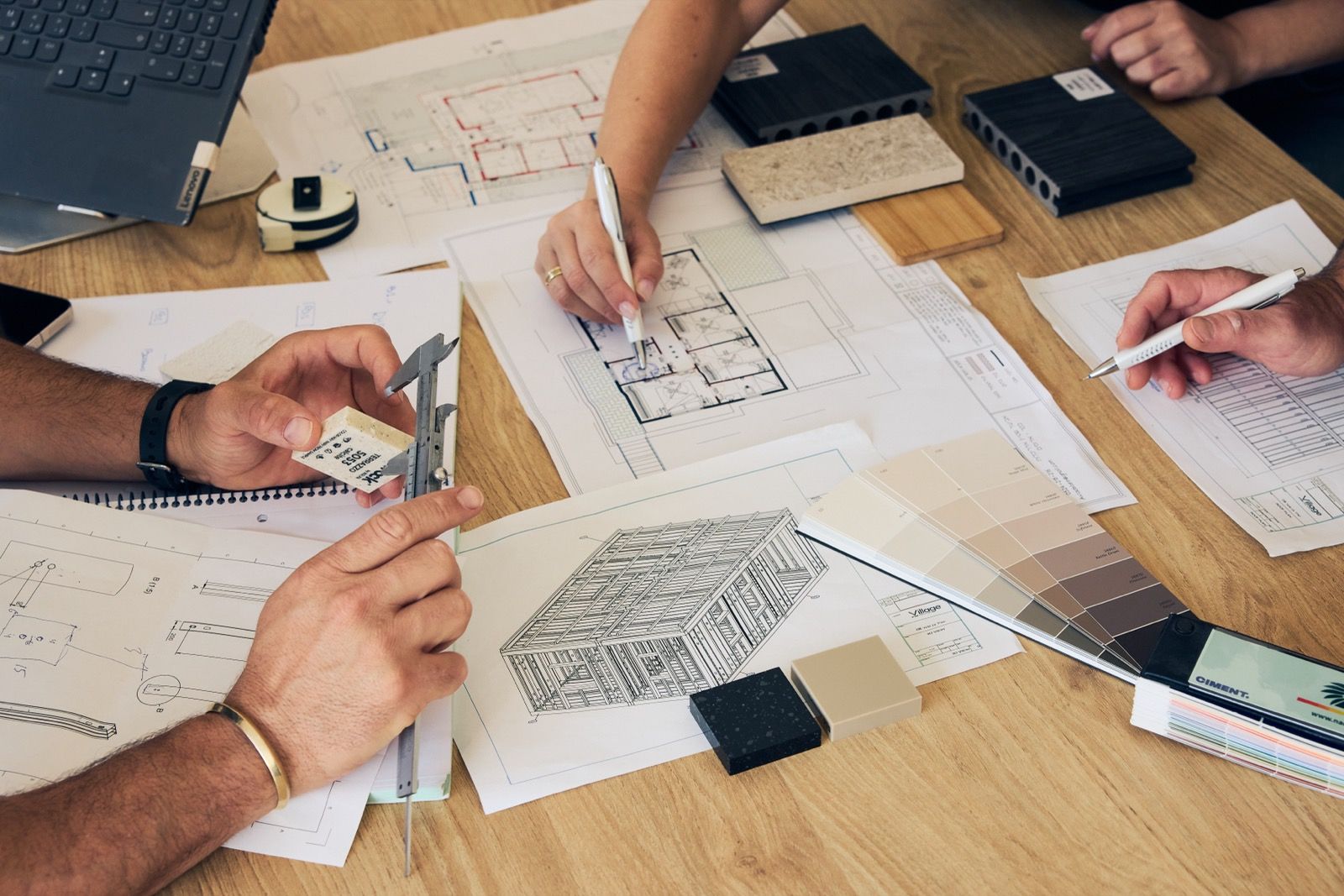
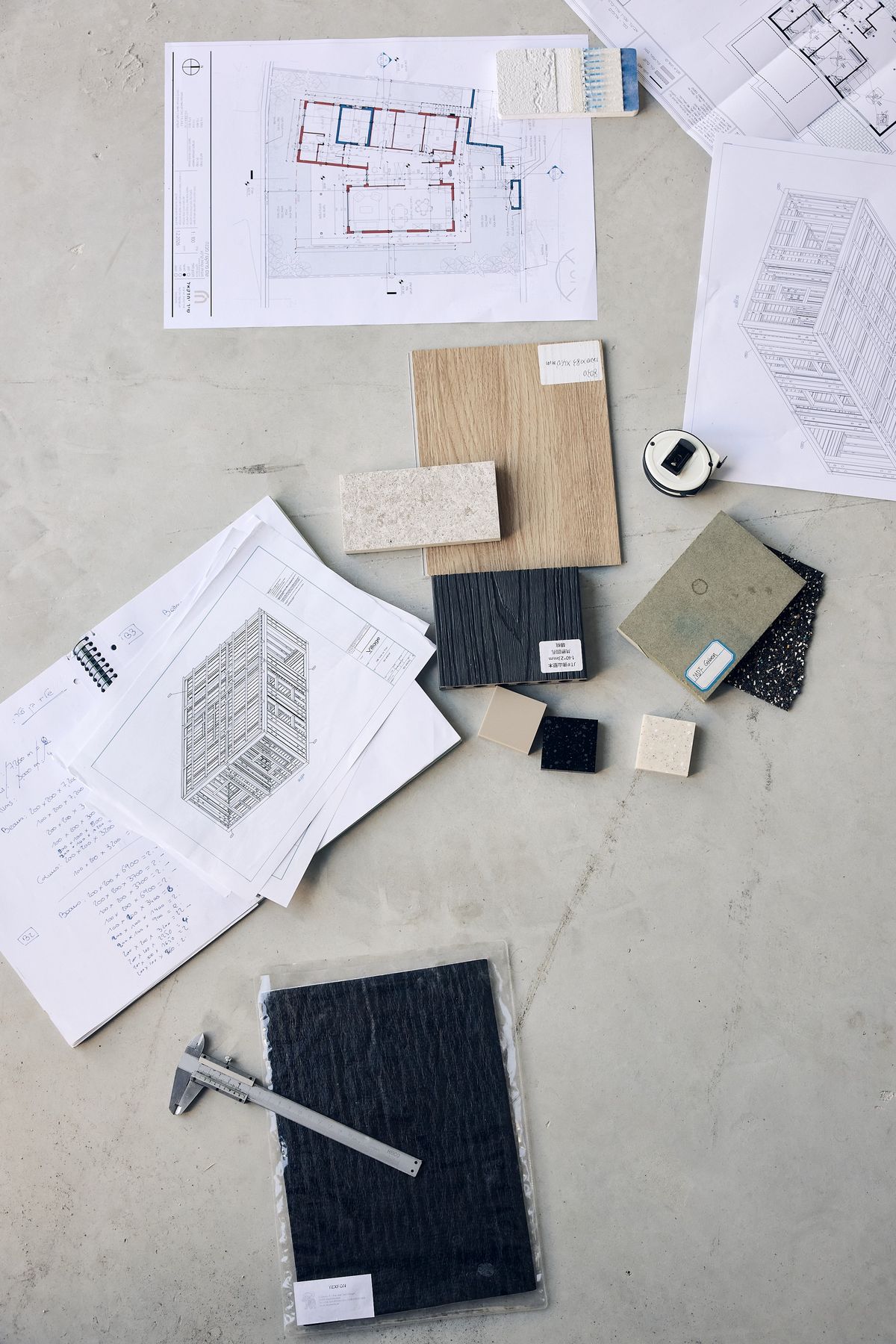
Drawings, finish schedules and material samples reviewed together
01 · ALIGN
02

Execute

We find the suppliers and sign the contracts ourselves, against that specification. Then we develop the samples, set the production up, and stand on the floor when the line switches from the approved sample to mass production.

  • We rank suppliers on capability and evidence first, price second
  • We develop samples in parallel where the scopes are independent
  • Our people are in the factory while the line runs
  • You hear about a problem on the day we see it
What you have at the end of it

An approved physical sample, a contracted supplier set, and a production plan on one schedule.

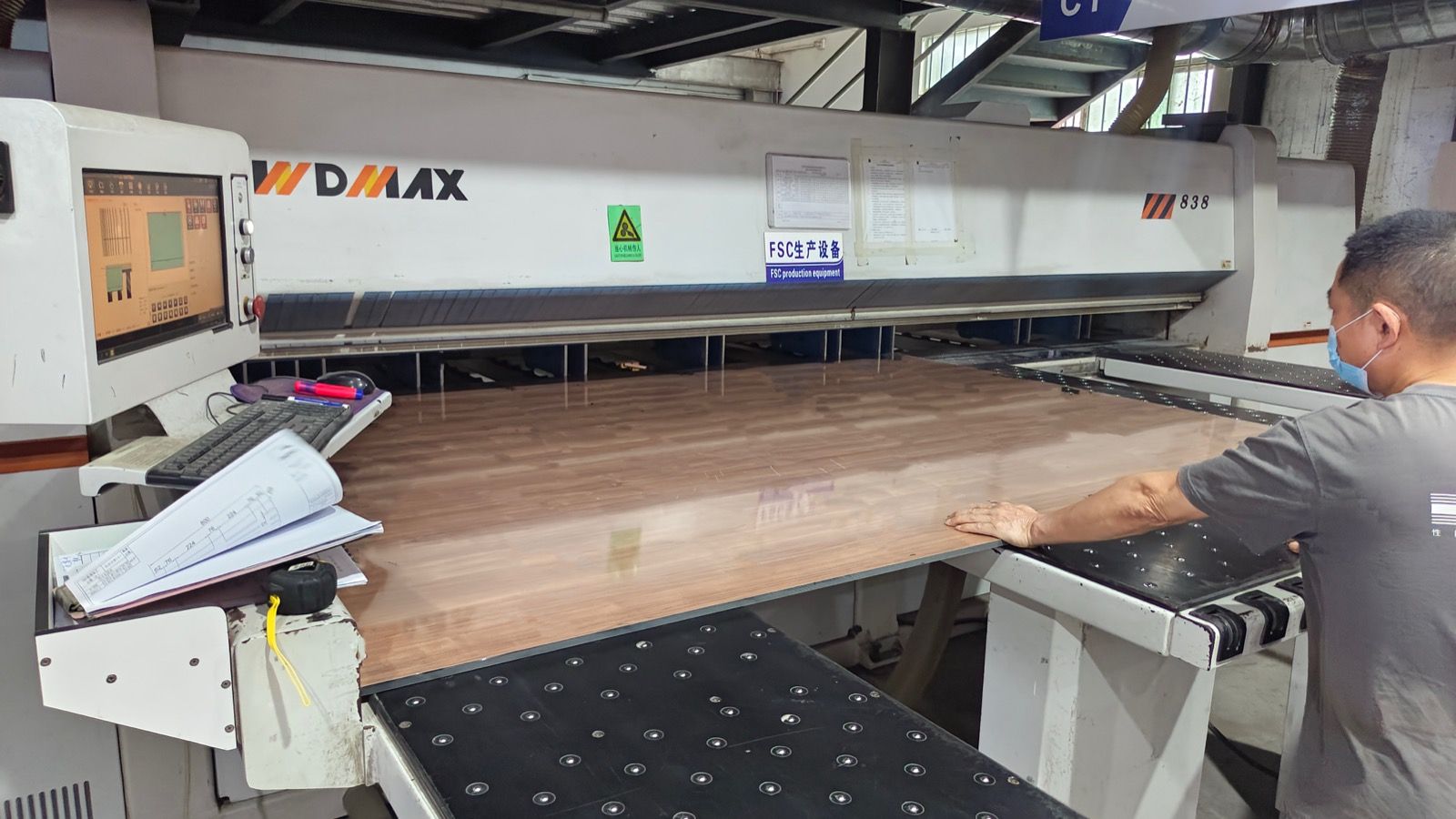
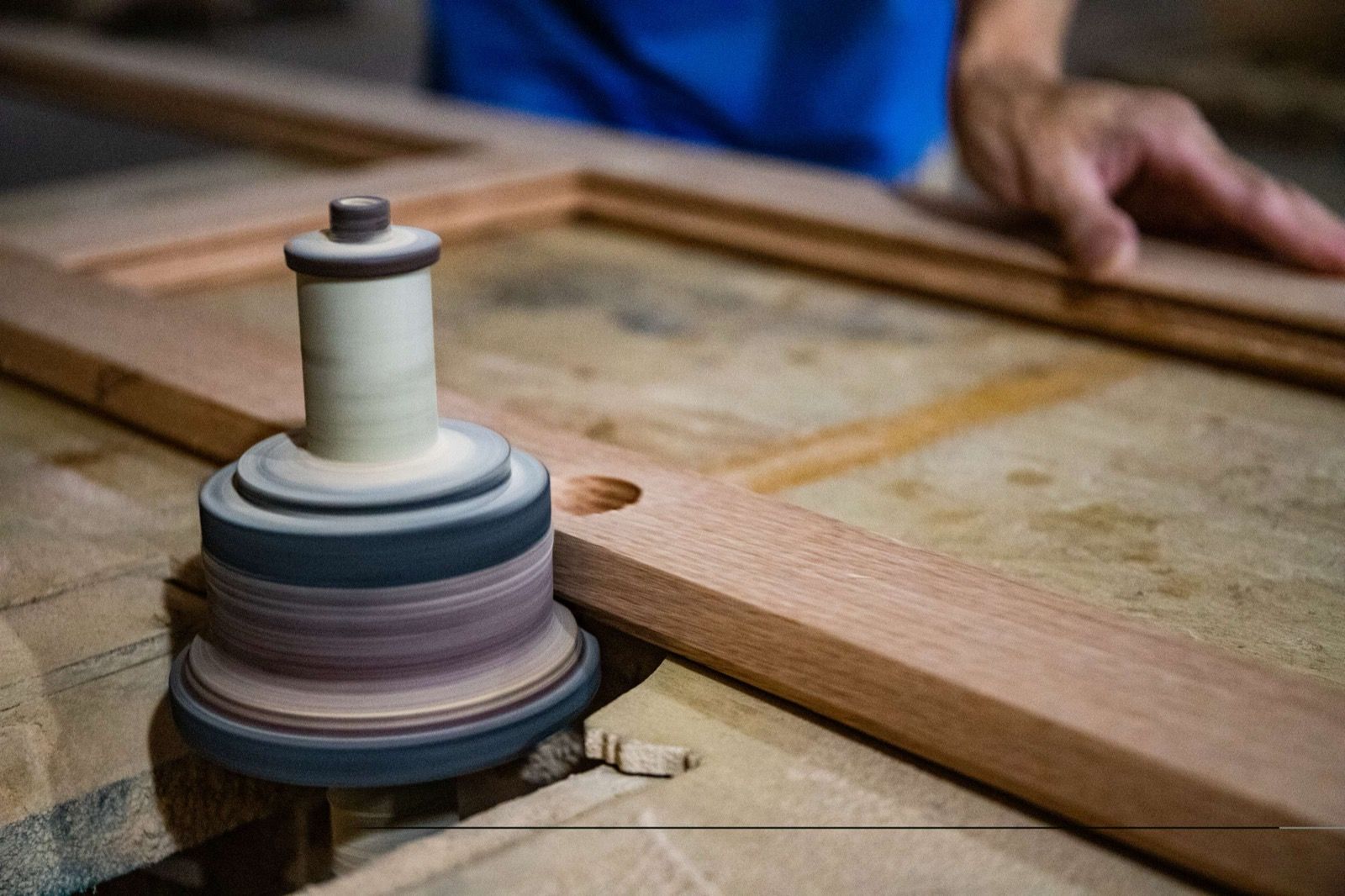
CNC panel cutting run against the approved drawing
02 · EXECUTE
03

Validate

A photograph is not an inspection. We open the cartons, measure the parts, hold the finish against the approved sample and read the compliance file, to a sampling plan you agreed before the line started.

  • Sampling to ISO 2859-1, at an AQL level you agree per scope before the line starts
  • We hold the part against the approved sample, in the same light
  • We verify every compliance document against the supplier who produced, and against today
  • We check packing, labels and item codes while the cartons are still open
What you have at the end of it

An inspection record, a documented release decision, and evidence you can hand to your client.

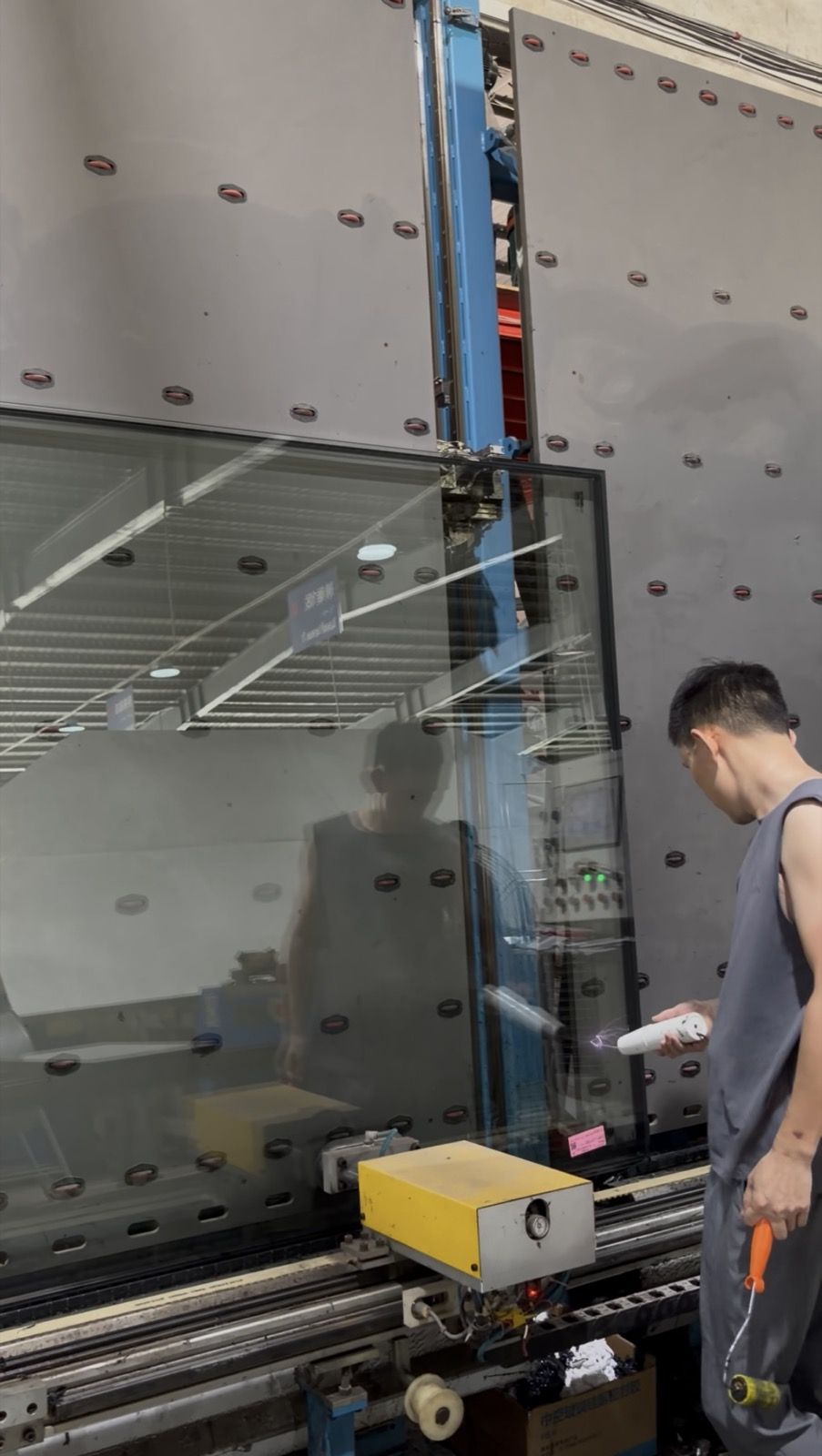
Factory inspection - glass and finish check
03 · VALIDATE
04

Deliver

We coordinate the packing, the documents and the freight so your goods land together, in the order the site or the shelf needs them, with the paperwork the destination actually asks for.

  • Cartons numbered and labelled in the order you will open them
  • We consolidate where one container lowers the risk, and split where two do
  • We check one document set before the container doors close
  • You hear from us at every handover, through to the door
What you have at the end of it

A controlled shipment, a complete document set, and goods that open correctly at the other end.

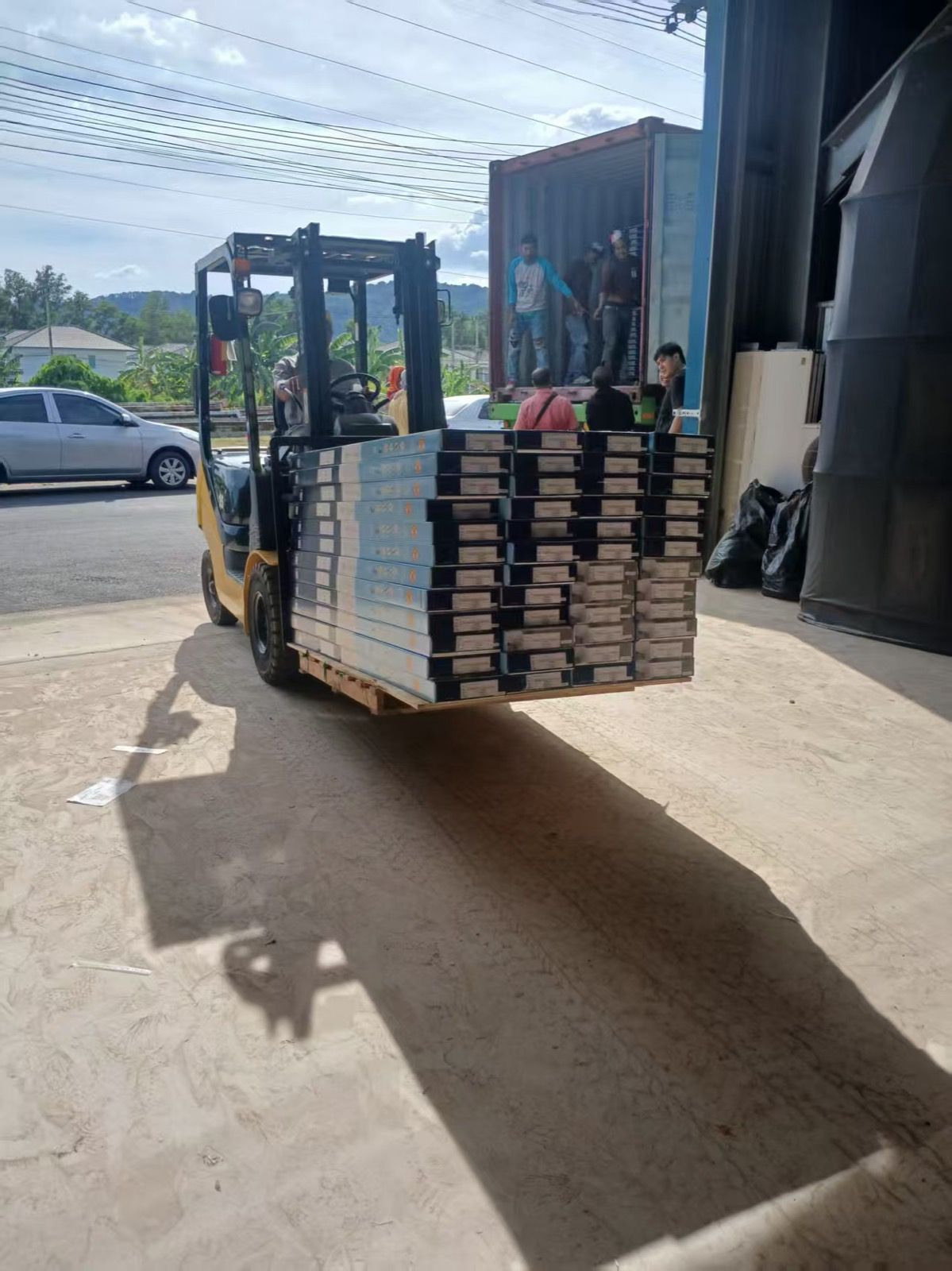
Packing and loading for shipment
04 · DELIVER

The cheapest inspection is the specification you wrote three months earlier.

Inside the system

Every order runs through one system.
Five stages are live. The sixth is in development.

We enter your requirement in a structured form, turn it into a quotation that carries its compliance evidence line by line, and keep it on that same record through production, inspection and shipping.

01

Requirement

We keep your original message, drawings and files as you sent them. That set stays the reference for the whole job.

02

Sourcing

We compare suppliers against that requirement, or run a formal RFQ where the scope needs one.

03

Quotation

Line by line: technical specification, compliance evidence, tooling, lead time, tiered quantities and terms.

04

Production

We track production against the approved sample. A milestone advances when the evidence for it arrives.

05

Control

We check the inspection record, the packing list and the shipping documents before release.

06

Client access

A client-facing view of the same record.

In development
Quotation builderIllustrative - figures and supplier are examples
Product
Technical specification
Certifications & compliance
Lead time
Tiered price
Terms
Espresso cup
Porcelain · custom decal
SizeH59 × W69 mmFinishGlossy glaze inside, satin outsidePack16 pcs/carton
Evidence incompleteFood-contact declaration and lead/cadmium test report required before production starts.
20 days
1,300 pcs3.38
2,000+3.12
5,000+2.91
Payment30% depositIncotermFOBValidity14 days
Drawer box
1200 g board · 1-colour
SizeH86 × W86 × L340 mmToolingPrinting platePack4 pcs/carton
✓ No requirement
12–15 days
325 pcs1.32
500+1.17
1,000+1.03
ToolingOne-offIncotermFOB
The point

A line stays locked until its compliance evidence arrives. The system enforces that, every time, on every order.

What “Align” actually means

Four checks sit behind that word. We run each of them on every order, because each one is cheap to run and expensive to skip.

The name on the certificate has to be the factory making your goods

Not its parent company. Not the trading company that sells for it. Not an affiliate, a laboratory, or a different plant in the same group. A certificate that does not explicitly cover the supplier actually producing your order is not evidence - and that is the most common way compliance quietly fails.

The only date that counts is today’s

We read every certificate against the day we are reading it. A document that has expired, or that carries a validity condition the supplier has since outgrown, goes back for renewal before the order moves. We ask for the current one and we wait for it.

“TBC” is not an answer

We compare offers once every field a decision rests on carries a value: size, material, finish, packing, tooling, lead time, terms. A blank, a dash and a “to be confirmed” all count the same with us, as missing. The gap comes back either way, later, and at a worse price.

Inspection is a method, not a visit

Sampling runs to ISO 2859-1, at the AQL level you agreed per scope before production started. We write the brief for the product type: a ceramic cup gets a ceramic checklist, an aluminium frame gets its own.

We built these four checks into the system itself. A check that lives only in a habit fails on the week everyone is busy.

One contract, one invoice

You sign with Telop and you pay Telop. We contract each factory ourselves, carry the production risk on our own books, and answer for the result across as many plants as the job needs.

Why that matters to an advisor

Your client signs once and pays once. You keep one point of contact, one currency and one set of terms - and when two scopes have to meet, one company owns the seam.

Control before goods move

The cheapest place to find a problem is the factory floor.
We are standing on it.

We run these ten checks before anything leaves the factory. They are what keeps the approved design, the produced goods and the site all describing the same thing.

Sample review vs. approved direction
Material & finish checks
Dimension checks
Packaging review
Label & item-code checks
Quantity & packing-list review
Shipment-readiness documentation
Production photo & video updates
Factory visit & inspection
Supplier issue follow-up
Factory inspection - glass and finish check on the production line
Factory inspection - glass & finish check
Communication & operations

You will be working with these people.
Here is who does what.

A single order runs on constant traffic between you, your designer, the contractor, the supplier, the factory, the inspection team and the freight forwarder. Telop holds that thread, writes it down and keeps it moving.

Doris

Client communication. She sends the updates, chases the answers and keeps your document set current.

Kiki, Nicole and Jane

Project management: supplier coordination, quotations, sampling and production tracking.

Kewei

Quality control and logistics: factory visits, sample checks, inspections and shipment readiness.

May and Rachel

Operations and finance: documentation, payment coordination and administration.

Strategic Partners

Logistics, legal, finance, compliance, insurance and local representation.

CNC panel cutting run against the approved drawing
Production - CNC & joinery
Drawings and material samples laid out for review
Requirement - drawings & finishes
Millwork in production
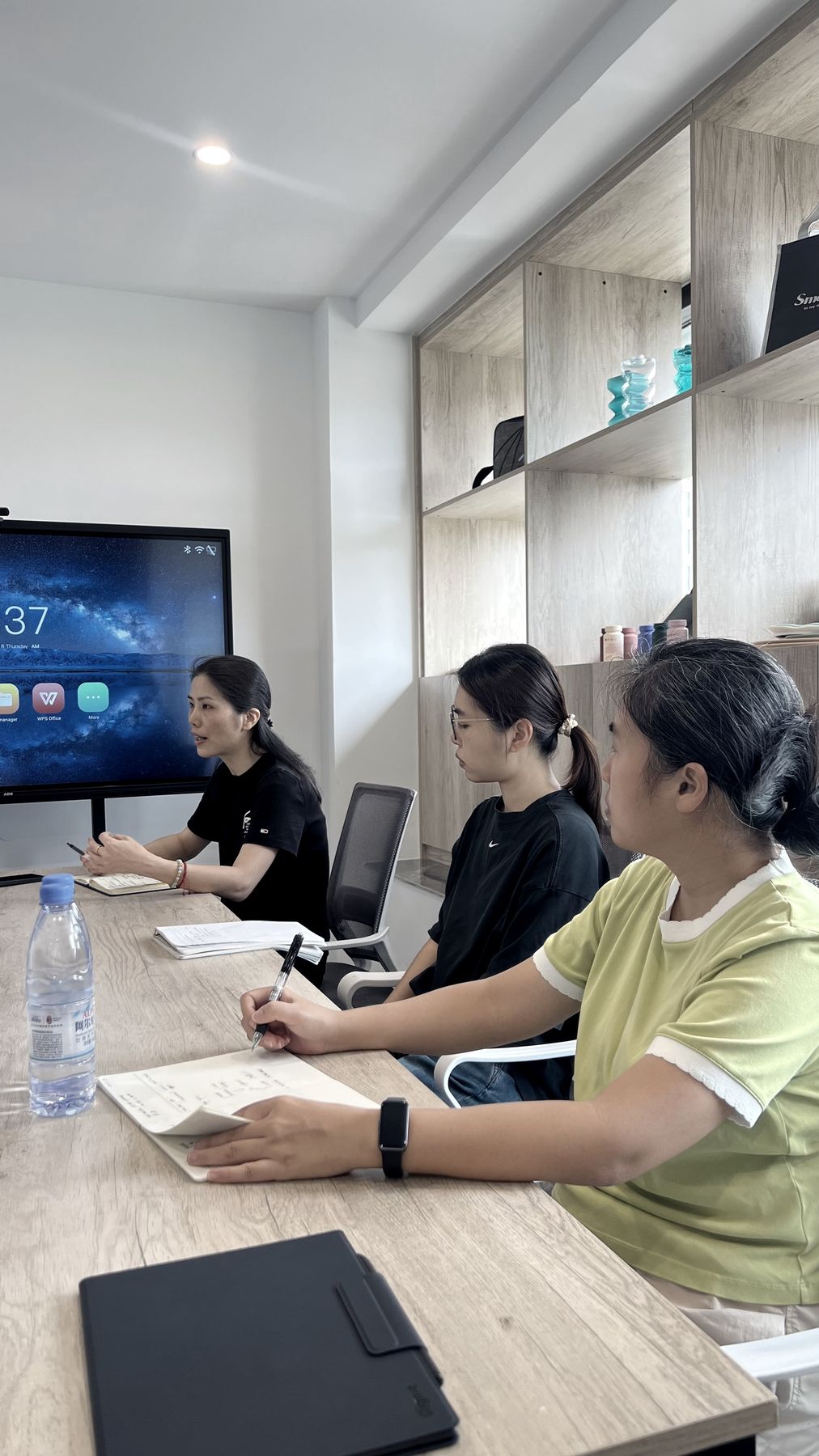
Team reviewing project details together
Client ↔ supplier ↔ factory
Packing and loading for shipment
Site-ready - packing & loading
Systemised production control

We send the evidence before you ask for it.
Photographs, dates, decisions, documents.

Every project runs on the same tracked structure: dated checkpoints, photographs from the floor, and the documents themselves.

Tracked checkpoints

Each stage carries its own gate. A stage advances when its evidence lands.

Photo & video updates

We photograph and film the line while your goods are on it.

Documented decisions

We record every approval, change and issue against the order itself, so it is still there in month four.

Shipment-ready records

We check packing lists, item codes, quantities and shipping documents before release.

On the roadmap

We are building a client-facing project portal. Until it ships, we send you the records ourselves.

Run your project on this process.

Send a drawing and we will tell you which stage it is actually ready for.

Start a project Check your project first Next - what we produce